Choosing New Or Historic Homes In Asbury Park
July 9, 2026
July 9, 2026
If you are house hunting in Asbury Park, one question tends to come up fast: do you want the charm of a historic home or the easier upkeep of something newer or recently renovated? It is a meaningful choice in a compact coastal city where block-by-block differences can shape your daily lifestyle, from walkability and transit access to parking and long-term maintenance. With the right local lens, you can weigh character, convenience, and costs more clearly. Let’s dive in.
Asbury Park is not a market where you can judge a home by age alone. The city is just 1.6 square miles, with access to train, bus, ferry connections, rideshare, scooters, and bicycles, so location can change the feel of a property quickly.
A home near the boardwalk or downtown Cookman and Main Street can offer a very different experience than a home closer to one of the city’s lakes or farther inland. You may be choosing between waterfront energy, transit convenience, or a quieter block, not simply between old and new.
Parking also plays a role in daily life. The city notes that busier corridors have high parking demand and rely on metered and permitted public parking, so your comfort with parking logistics should be part of your decision.
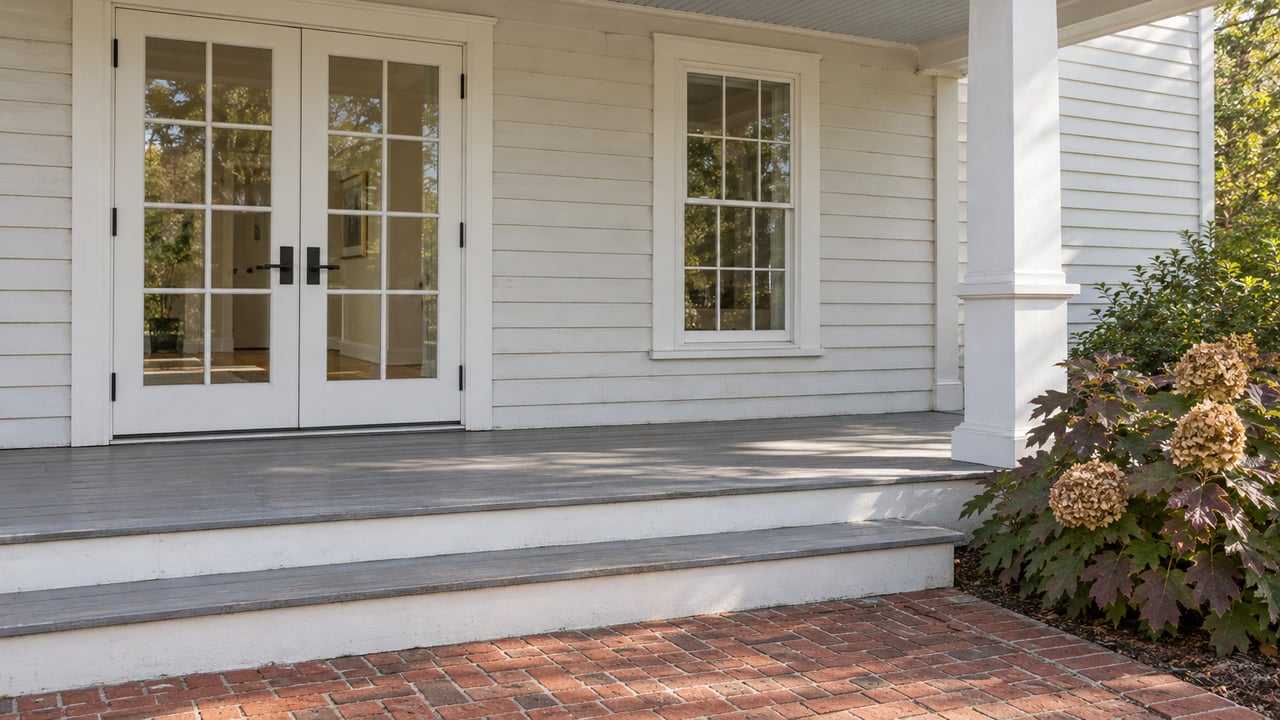
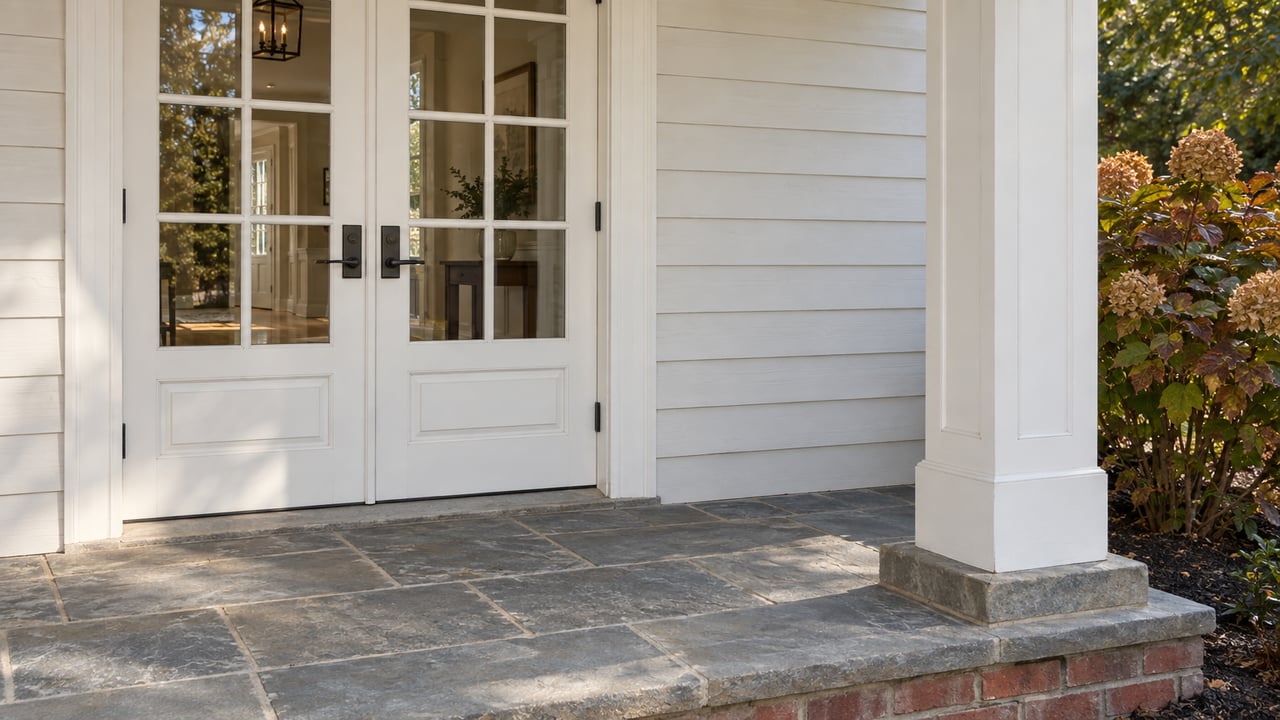
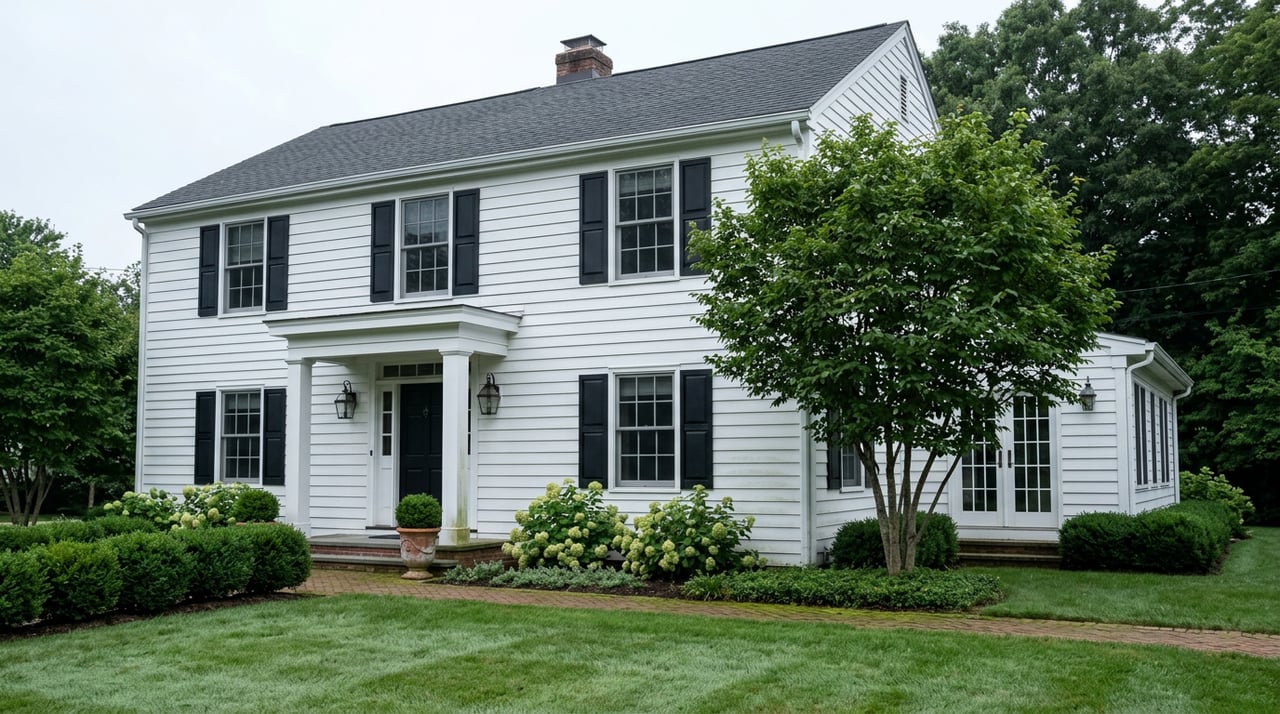
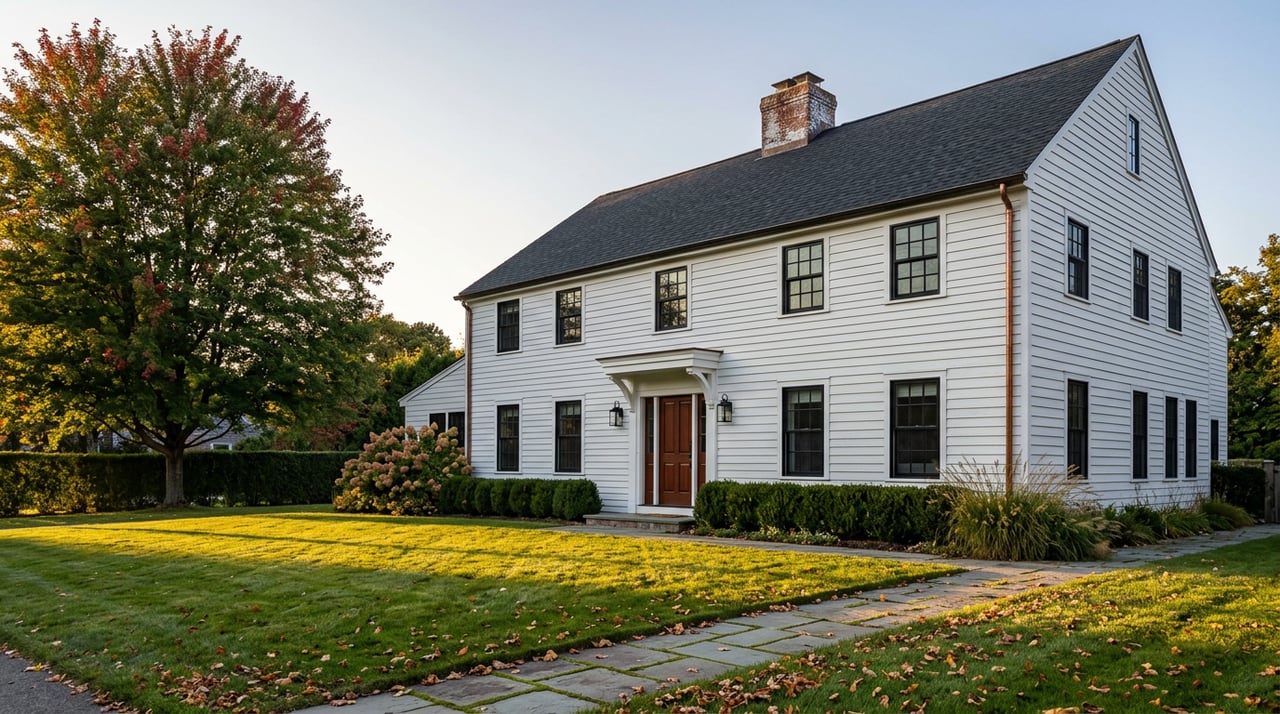
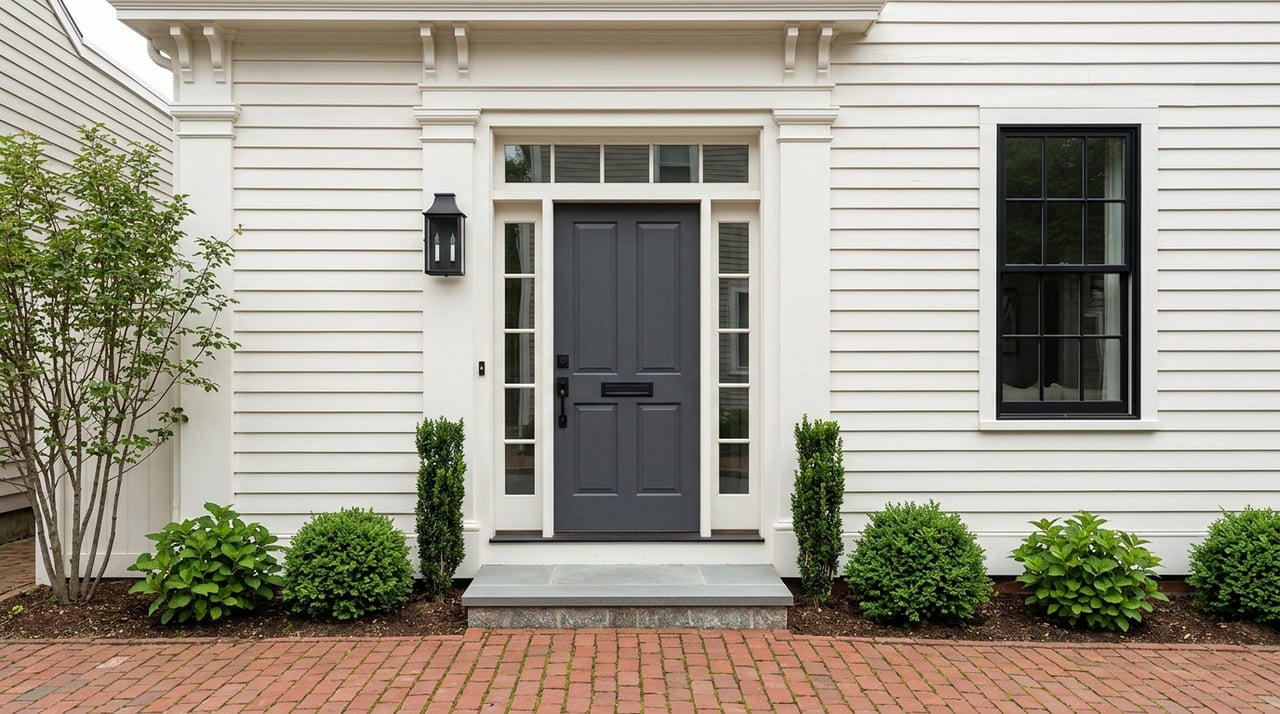
Historic homes in Asbury Park often appeal to buyers who want personality that is hard to recreate. You may find porches, decorative trim, varied rooflines, and older materials that create a more distinctive streetscape.
That sense of character is part of what many buyers love about older properties near downtown, along lakefront edges, or in boardwalk-adjacent areas. In a city known for its layered architectural identity, historic homes can feel closely tied to place.
Asbury Park’s preservation framework also matters here. The city’s design rules say new construction and additions in historic districts should remain consistent and complementary to original homes and buildings, with standards applying in residential historic districts and several zoning areas.
With charm often comes more maintenance sensitivity. Features like porches, cornices, dormers, railings, and doors may be part of the home’s historic appeal, and changes to them can require a more careful approach.
Condition can vary widely from one older home to another. A beautifully renovated historic property may feel move-in ready, but the quality of past work matters just as much as the age of the structure.
That is why your due diligence should go beyond finishes. When you are looking at an older property, it helps to ask how updates were handled and whether the home’s original elements were preserved thoughtfully.
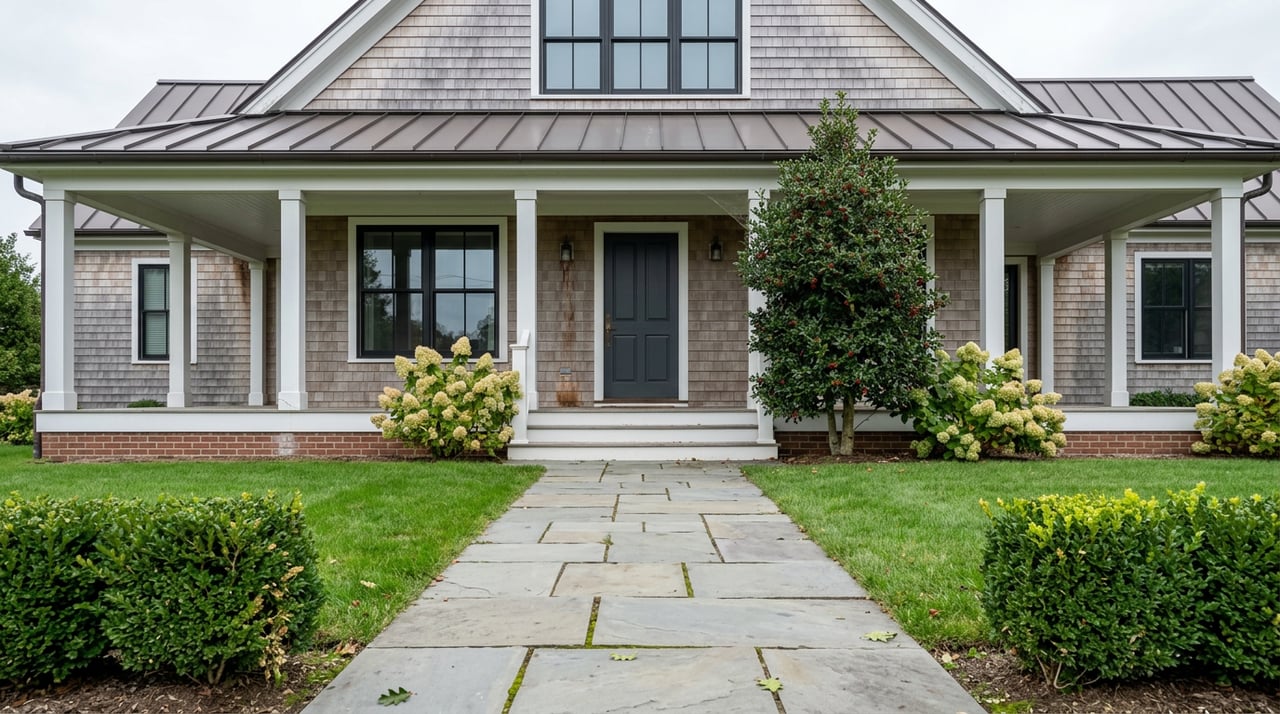
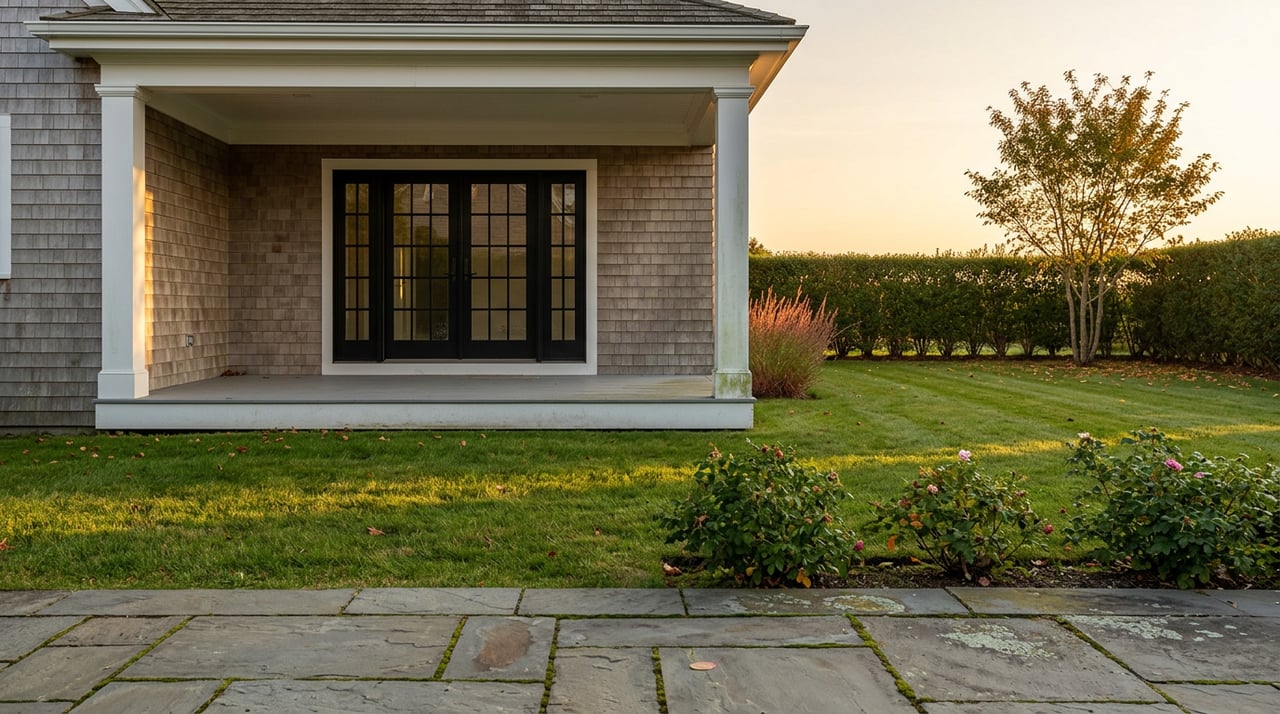
Newer construction and recently renovated homes often attract buyers who want fewer immediate projects. In many cases, they also offer a more predictable maintenance profile and stronger energy performance.
That can matter in everyday comfort and long-term costs. The U.S. Department of Energy notes that many older homes have less insulation than homes built today, and that window heat gain and loss account for 25% to 30% of residential heating and cooling energy use.
In practical terms, newer or upgraded windows, better insulation, and tighter building performance can support a more comfortable living environment. For some buyers, that peace of mind is a major advantage.
In Asbury Park, newer housing opportunities often appear through redevelopment, adaptive reuse, or substantial renovation rather than large-scale traditional new subdivisions. The city identifies eight redevelopment areas, including the Waterfront, Central Business District, Main Street, Springwood Avenue, Washington Avenue, 1001 First Avenue, and Scattered Sites.
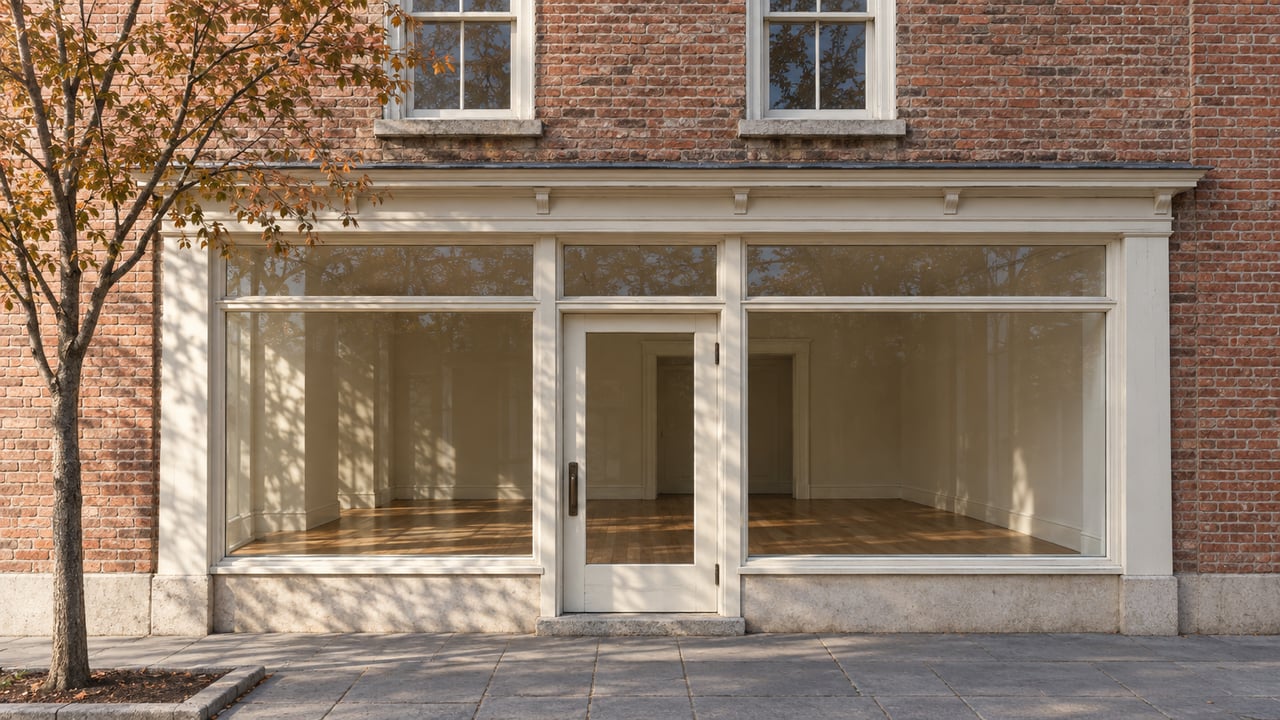
The Main Street Redevelopment Plan specifically aims to attract investment, add amenities, encourage adaptive reuse, and support upgrades to existing buildings and businesses in the mixed-use district. That means some of the “newer” options you see may actually blend modern updates with older structures.
For many buyers, that creates a middle ground. You may be able to find a home with less day-one work while still enjoying the style and location that make Asbury Park unique.
One of the biggest mistakes buyers can make in Asbury Park is thinking in broad categories instead of exact blocks. Because the city is compact and highly walkable, two homes of similar age can offer very different day-to-day experiences.
A renovated home near Main Street may appeal to you if you want easy access to transit and the downtown core. A historic home near one of the lakes may offer a different rhythm, with a stronger connection to green space and open water.
The boardwalk area brings its own draw as well. If beach access and waterfront energy are top priorities, that may outweigh whether a home is older or newer.
As you compare homes, picture your actual week. Consider how often you expect to walk to dining, shops, the beach, or transit, and how much parking convenience matters to you.
In a city like Asbury Park, lifestyle fit can be just as important as square footage or finish level. The right home is often the one that best supports how you want to live.
No matter which style you prefer, a few checks matter in Asbury Park.
Because this is a coastal market shaped by waterfront edges and lakes, flood exposure should be part of your evaluation. FEMA identifies its Flood Map Service Center as the official source for flood hazard information and notes that special flood hazard areas are the base-flood areas shown on FEMA maps.
For new or substantially improved residential buildings in those areas, elevation requirements can apply. This is especially important when comparing older homes, renovated homes, and properties near waterfront-influenced locations.
If you are buying a renovated home, permit history is worth reviewing carefully. The city requires zoning approvals for work that needs a construction permit, plus items such as fences, driveways, and signage.
That makes it important to confirm that visible improvements were completed with the proper approvals. A polished renovation should still be checked for zoning compliance and permit history.
Every buyer has a different comfort level with upkeep. If you enjoy architectural detail and do not mind a more hands-on ownership experience, a historic home may be a great fit.
If you prefer a more predictable maintenance path, a newer or recently updated property may suit you better. Neither option is better in the abstract. The better choice is the one that aligns with your time, budget, and priorities.
Parking should not be an afterthought in Asbury Park. On busier corridors, demand can be high, and the city uses metered and permitted public parking.
If you expect frequent guests, regular commuting, or multiple vehicles, this can affect how convenient a property feels. It is smart to assess parking realities as part of the home search, especially in more active parts of the city.
If you are still torn between new and historic, a simple framework can help.
Choose a historic home if you are drawn to:
Choose a newer or renovated home if you are drawn to:
For many buyers, the answer lands somewhere in between. In Asbury Park, some of the most appealing options are renovated older homes or adaptive reuse properties that combine historic character with updated systems and finishes.
In a coastal market like Asbury Park, the smartest decision is rarely about age alone. It is about how well a home balances location, character, upkeep, and long-term operating costs.
A historic home may win your heart, while a renovated or newer home may better fit your day-to-day needs. When you compare exact blocks, review flood and permit details, and stay honest about your maintenance tolerance, you can make a choice with more confidence.
If you want thoughtful guidance as you compare homes in Asbury Park or across the Jersey Shore, Patty Smith offers a polished, high-touch approach backed by local insight and end-to-end buyer support.
Stay up to date on the latest real estate trends.