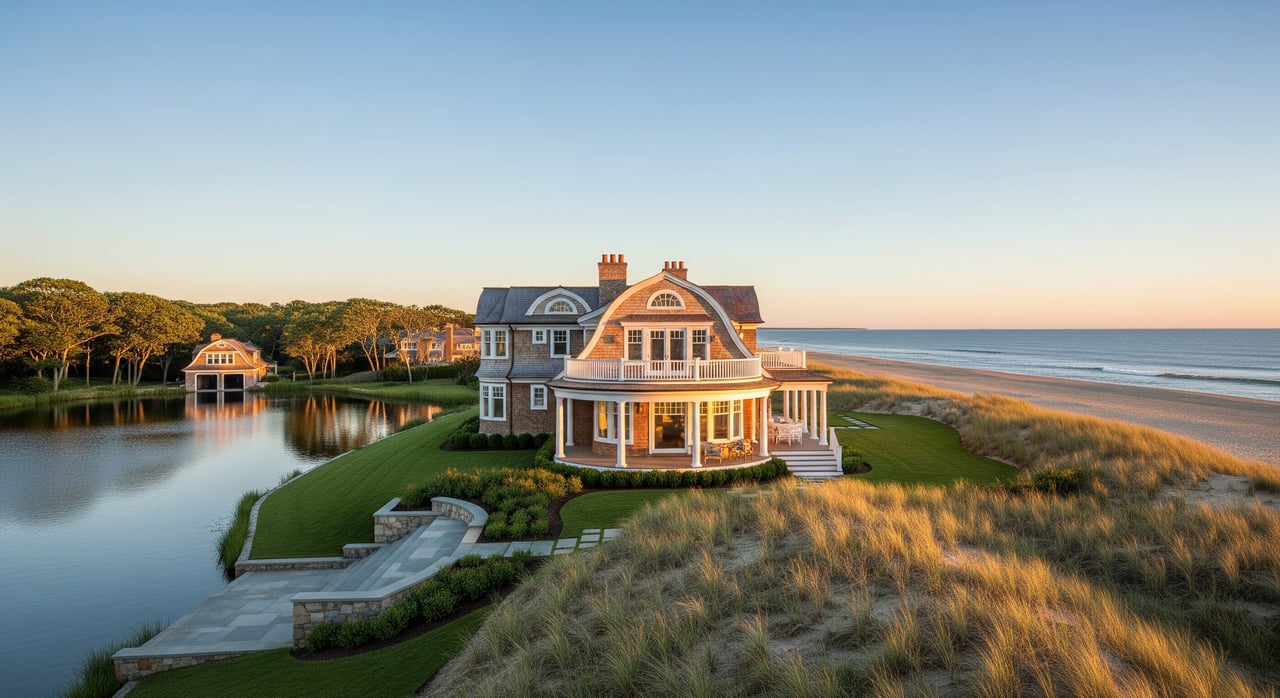
Spring Lake Oceanfront vs Lakefront Living Guide
February 5, 2026
February 5, 2026
Choosing between oceanfront and lakefront in Spring Lake can feel like picking the heart of your Shore lifestyle. You might love the energy of the Atlantic or picture calm mornings by the lake with a coffee and a short walk to town. This guide breaks down what actually changes day to day, from views and noise to insurance, maintenance, and local rules. You’ll leave with a clear checklist to help you choose the setting that fits your priorities. Let’s dive in.
Oceanfront homes in Spring Lake face the Atlantic with wide, horizon views and shifting light across the water. You can expect the rhythm of waves, sea breezes, and a dynamic shoreline experience. In summer, beach activity and public access routes bring more people nearby.
Privacy varies by block and proximity to municipal beach areas. Outdoor spaces often orient toward the view with elevated porches or decks. Daily life feels connected to the beach, with dramatic skies and changing surf.
Lakefront homes look onto the town’s namesake lake and its green edges. Views feel more intimate and residential, with reflections and seasonal color around the shoreline. Water activity is quieter, with occasional kayaks, paddleboards, and walkers along local paths.
Because the lakefront sits within the village fabric, you may find a calmer setting and a more enclosed sense of privacy. The overall pace tends to feel quieter than the ocean side during peak season.
| Factor | Oceanfront | Lakefront |
|---|---|---|
| Views | Panoramic Atlantic horizon | Intimate water and trees |
| Seasonal activity | Higher summer crowds and beach traffic | Generally quieter, local recreation |
| Noise | Waves and wind are noticeable | Lower wave noise, calmer |
| Privacy | More public exposure near access points | More enclosed, residential feel |
| Hazards | Direct coastal storms, wind, erosion risk | Sheltered from surf, flooding still possible |
| Maintenance | Salt corrosion and exterior wear | Humidity management, shoreline care |
| Insurance | Typically higher for wind and flood | Often lower than oceanfront, still required |
Both settings can be walkable to downtown shops and restaurants depending on the exact block. Lakefront homes may sit a bit closer to the town center, while oceanfront addresses sit on the seaward edge within a short walk of commercial corridors. Check the nearest NJ Transit station, parking options, and main streets to understand daily convenience.
Oceanfront homes see direct exposure to coastal storms, higher wind loads, and long-term erosion risk. Nor’easters and occasional tropical systems add to the exposure profile. Lakefront homes are sheltered from open-ocean waves, but flooding can still occur due to heavy rain, stormwater, or backflow during surge events.
For both settings, insurance is a must. Many buyers carry separate flood policies through the National Flood Insurance Program or private carriers. Lenders often rely on FEMA flood maps and elevation data when underwriting. Obtain address-specific insurance quotes early so you understand premiums and deductibles before you write an offer.
Salt air accelerates corrosion and weathering at the oceanfront, so you should budget for more frequent exterior work. That often includes painting, decking, window and door maintenance, and marine-grade finishes and systems. Wind and sand exposure can also influence landscaping choices and outdoor furniture.
On the lakefront, salt spray is lower, but humidity and proximity to standing water can increase the risk of mold or rot. Maintenance may focus on shoreline stabilization, lawn-to-water transitions, and plantings that handle damp conditions.
Oceanfront properties may fall under state and local coastal rules that govern dunes, vegetation, and any shoreline structures. Certain construction, additions, or seawall changes can be restricted. If the home is in or near a historic district, façade and massing guidelines may apply.
Lakefront properties may be subject to borough or county rules for bulkheads, riprap, and in-lake uses such as small docks or launches. At both settings, check municipal zoning for setbacks, elevation requirements, and any short-term rental rules that could affect use or investment plans.
On the oceanfront, you’ll see larger historic homes, including Victorian and Colonial Revival styles, alongside newer or remodeled beach houses designed to frame the water. Outdoor areas often use wind-tolerant and salt-tolerant materials.
Lakefront streets tend to feature cottages, bungalows, and mid-sized single-family homes with a traditional residential scale. Outdoor living may include patios, yard gardens, and small docks or boardwalks where permitted.
Oceanfront homes usually command the highest price per square foot thanks to unobstructed views and direct beach access. They attract second-home buyers and investors who value prestige and strong seasonal demand. Insurance and maintenance costs are typically higher, which can influence total cost of ownership.
Lakefront homes also carry a waterfront premium, often at lower prices than oceanfront. They appeal to buyers who want calmer water, a quieter setting, and a year-round lifestyle. Local rental rules matter for both settings and can shape your investment outlook and financing.
Use a clear, step-by-step approach before you tour or make an offer.
Choose oceanfront if you want expansive horizon views, direct beach connection, and a lively summer setting, and you are comfortable with higher upkeep and insurance. Choose lakefront if you prefer intimate water views, a quieter feel, and a more residential vibe, with potentially lower exposure to wind and surf.
If you are torn, narrow your choice by the exact block, not just the label. A home one street closer to town or set back from a public access path can change your daily experience just as much as the water type.
Ready to compare specific blocks and properties with local, data-informed insight? Reach out for tailored guidance, private previews, and a clear plan from first look to closing. Let’s connect with Patty Smith for next steps.
Stay up to date on the latest real estate trends.