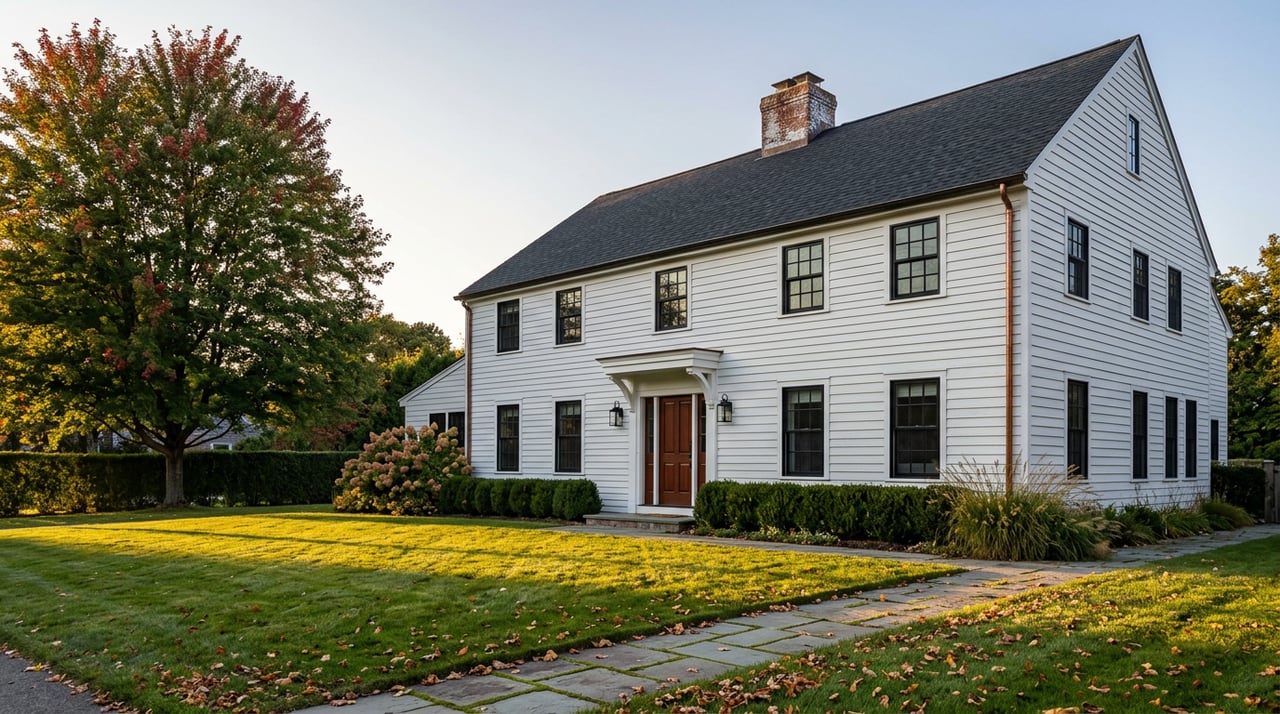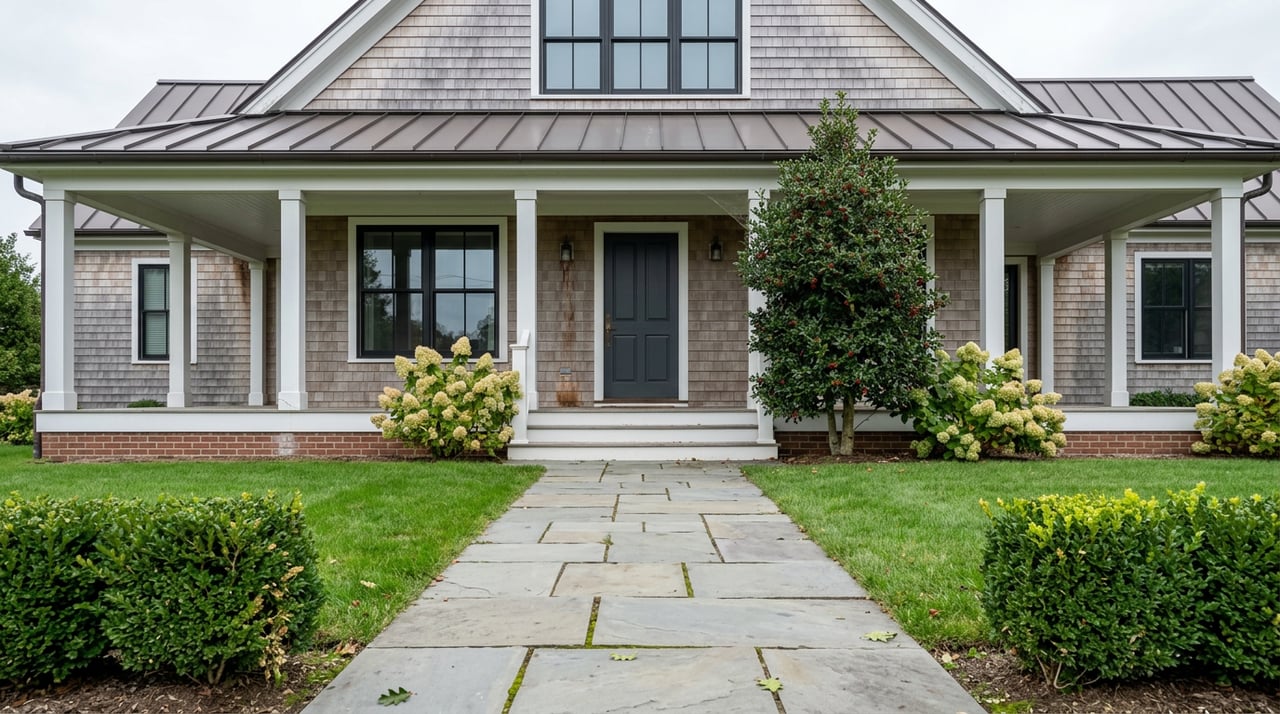
Renovating An Older Home In Haddonfield
July 23, 2026
July 23, 2026
Thinking about updating an older home in Haddonfield? It can be exciting to picture a new kitchen, better flow, or long-needed repairs, but older homes here often come with extra layers of planning. If you want to renovate wisely, protect long-term value, and avoid surprises, it helps to understand how Haddonfield’s historic standards and local approval process work before construction starts. Let’s dive in.
Haddonfield is not just a place with older housing stock. It is also a high-value, mostly owner-occupied market, with an owner-occupied housing rate of 83.2%, a median owner-occupied home value of $755,300, and a median household income of $200,400.
That context matters when you renovate. The borough’s historic district ordinance is designed to preserve heritage, maintain and improve property values, and keep exterior changes compatible with the district’s character.
If your home is in the historic district, exterior work may need formal review before you begin. In general, the ordinance defines historic properties as those over 50 years old and sets standards for exterior changes within the overlay district.
Before choosing finishes or calling contractors, it helps to decide what needs repair, what can be restored, and what truly needs replacement. In Haddonfield, that order matters because local design criteria favor repair over wholesale replacement whenever possible.
This is especially important for visible exterior elements. Original materials and architectural features often carry value, both in how the home looks and in how it fits the streetscape.
The Historic Preservation Commission also provides technical assistance to owners who want to preserve, restore, or rehabilitate structures. That can be useful early in the planning process, especially if you are unsure whether your ideas align with local expectations.
One of the biggest mistakes homeowners make is budgeting only for construction. In an older Haddonfield home, your real renovation budget may also need to include permits, professional plans, inspections, and specialized work.
Haddonfield’s Construction and Zoning Department administers the Uniform Construction Code, issues permits, and conducts inspections. New Jersey guidance notes that UCC-covered construction may require a construction permit, inspections, and in many cases architect-prepared plans.
That means your budget should account for more than labor and materials. Depending on the scope, you may need design professionals, permit fees, and time for reviews before work begins.
Older homes often come with hidden conditions. Even a well-kept property can reveal aging systems, outdated materials, or repairs done long ago that now need attention.
If your renovation disturbs lead-based paint in a home built before 1978, EPA rules require certified firms and certified renovators using lead-safe work practices. That is an important cost and scheduling factor if you are opening walls, replacing trim, sanding surfaces, or doing major interior updates.
NJDOH also notes that lead pipes may still be found in parts of New Jersey where housing is more than 50 years old. If you are planning plumbing work or evaluating water-supply lines, it makes sense to factor that possibility into your planning.
The right contractor matters in any renovation, but it matters even more in an older home where workmanship, documentation, and sequencing can affect both approval and resale.
In New Jersey, home improvement contractors must register with the Division of Consumer Affairs and display their NJHIC number. The state also requires proof of commercial general liability insurance of at least $500,000 per occurrence.
For contracts over $500, the agreement must be in writing. Consumer Affairs also encourages homeowners to verify a contractor’s registration before moving forward.
If you are deciding where to invest first, start with the exterior envelope. In Haddonfield, visible exterior features often have the biggest impact on both approval and overall curb appeal.
The borough’s design criteria favor preserving original windows where feasible. If replacement is unavoidable, the new windows should closely match the original size, shape, profile, texture, and character.
The same preservation mindset applies to roof forms, gutters, chimneys, dormers, and decorative roof features. These should be preserved or replaced in kind when needed.
Mechanical equipment should also be placed so it is inconspicuous from the public right-of-way. That means practical upgrades may still be possible, but placement and visibility matter.
A thoughtful renovation does not mean your home has to feel frozen in time. Haddonfield’s ordinance says additions and new construction do not need to be exact replicas.
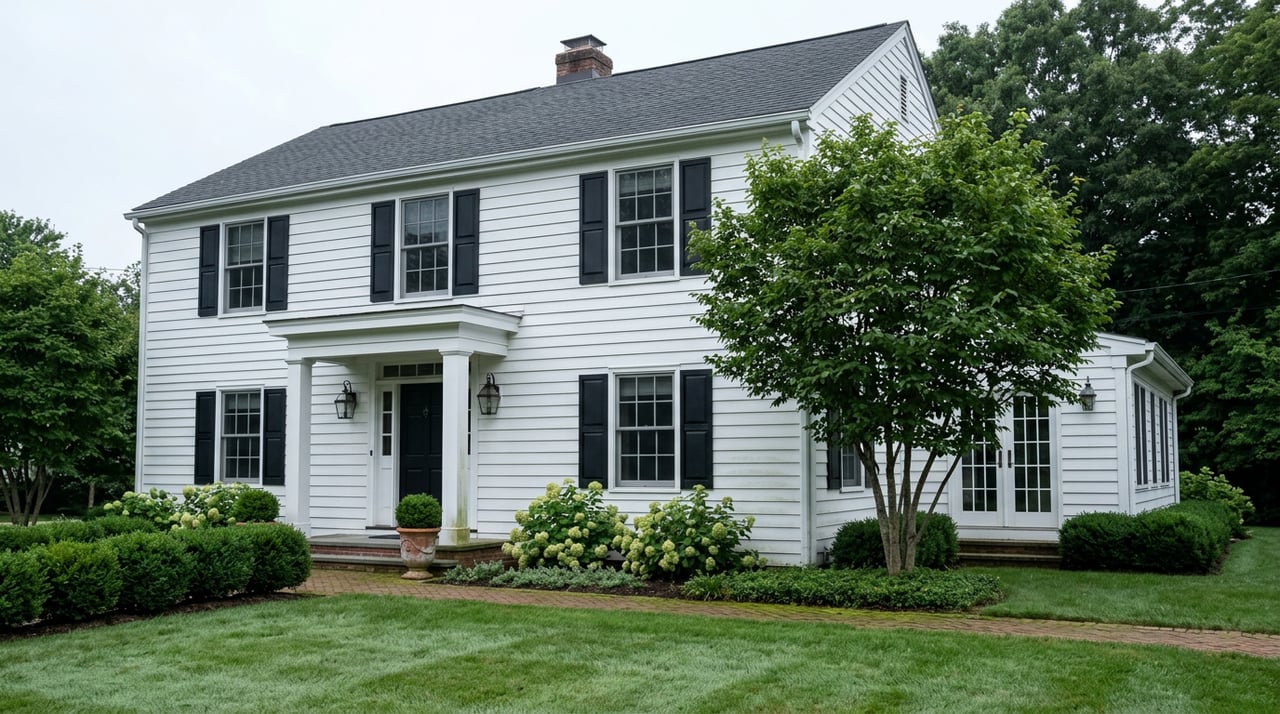
Instead, they should be compatible in massing, setback, color, rhythm of entrances and porches, and the relationship of solids to voids. In simple terms, you usually have room to modernize while still keeping the home visually coherent from the street.
That can create a smart balance. You may be able to enjoy updated interiors and improved function while respecting the home’s architectural context.
Not every project requires the same level of review. The ordinance identifies some ordinary maintenance and minor projects, including in-kind roof and gutter replacement, porch decking, driveway work, fence repair and in-kind fence replacement, steps and walkways, and small rear-yard accessory buildings.
Even so, do not assume your project is exempt from review or permits. The safest approach is to confirm how the borough classifies the work before materials are ordered or demolition begins.
That quick step can save time, money, and frustration later.
How work is done can be just as important as what gets changed. The borough’s ordinance says surface cleaning should use the gentlest means possible.
Methods that damage historic materials, including sandblasting, should not be used. If your project includes masonry, wood siding, or decorative exterior details, your contractor’s approach to cleaning and prep matters.
If your home is in the historic district and you are planning exterior changes to buildings, structures, or sites, the borough requires a Certificate of Appropriateness from the Planning Board before work begins.
Applications are submitted to the Zoning & Construction Office. The Historic Preservation Commission reviews them before final Planning Board action.
Timing is important. Applications filed at least 14 days before the next HPC meeting may be placed on that meeting’s agenda, and the consultant has up to 45 days to determine whether an application is complete.
That means renovation timing in Haddonfield should be built around approvals, not just contractor availability. If you wait too long to start paperwork, your project start date may slide.
In a market like Haddonfield, renovation decisions can affect both day-to-day enjoyment and future value. Because the borough’s ordinance explicitly connects preservation with property values, resale-minded updates often start with visible repairs and compatible improvements.
In practice, that usually means addressing worn exterior elements, keeping rooflines and windows visually consistent with the home’s period, and avoiding choices that feel out of place from the street. It also means resisting over-customization that may narrow future appeal.
If you are renovating with one eye on resale, the goal is usually not to make the home look brand new. It is to make it feel well cared for, functional, and architecturally coherent.
If you may sell after renovating, it helps to think ahead about borough paperwork tied to a future transaction. Haddonfield’s forms page includes smoke detector compliance and sidewalk inspection forms for the sale of a residence, along with tree protection paperwork, a lead-safe or lead-free certificate filing form, and historic preservation application forms.
That does not mean every form applies to every property. It does mean that staying organized during renovation can make your eventual sale smoother.
Keeping records of permits, approvals, contracts, and completed work can support a cleaner listing process later. For higher-value homes especially, preparation and documentation can strengthen buyer confidence.
If you are weighing renovation choices, preparing for a future sale, or trying to understand how updates may affect value in Haddonfield, a thoughtful local strategy matters. Patty Smith offers polished, high-touch guidance for South Jersey buyers and sellers who want to make smart real estate decisions with confidence.
Stay up to date on the latest real estate trends.