Historic Homes in Haddonfield: A Smart Buyer’s Guide
April 23, 2026
April 23, 2026
Thinking about buying a historic home in Haddonfield? It can be an exciting move, but it also comes with responsibilities that newer homes usually do not. If you love original details, timeless architecture, and the feel of an established streetscape, this guide will help you understand what to look for, what to plan for, and how to make a smart decision before you buy. Let’s dive in.
Haddonfield’s historic district is not just a collection of older houses. According to the borough’s design guidelines, the local historic district was created in 1971, and the Haddonfield National Register Historic District was entered in 1982.
The same guide explains that the historic core includes roughly 488 buildings and sites, with more than 150 considered among the highest historical or architectural significance. That matters because ownership here is about more than one home. It also includes the streetscape, brick sidewalks, trees, gardens, fences, and other features that shape the neighborhood’s overall character.
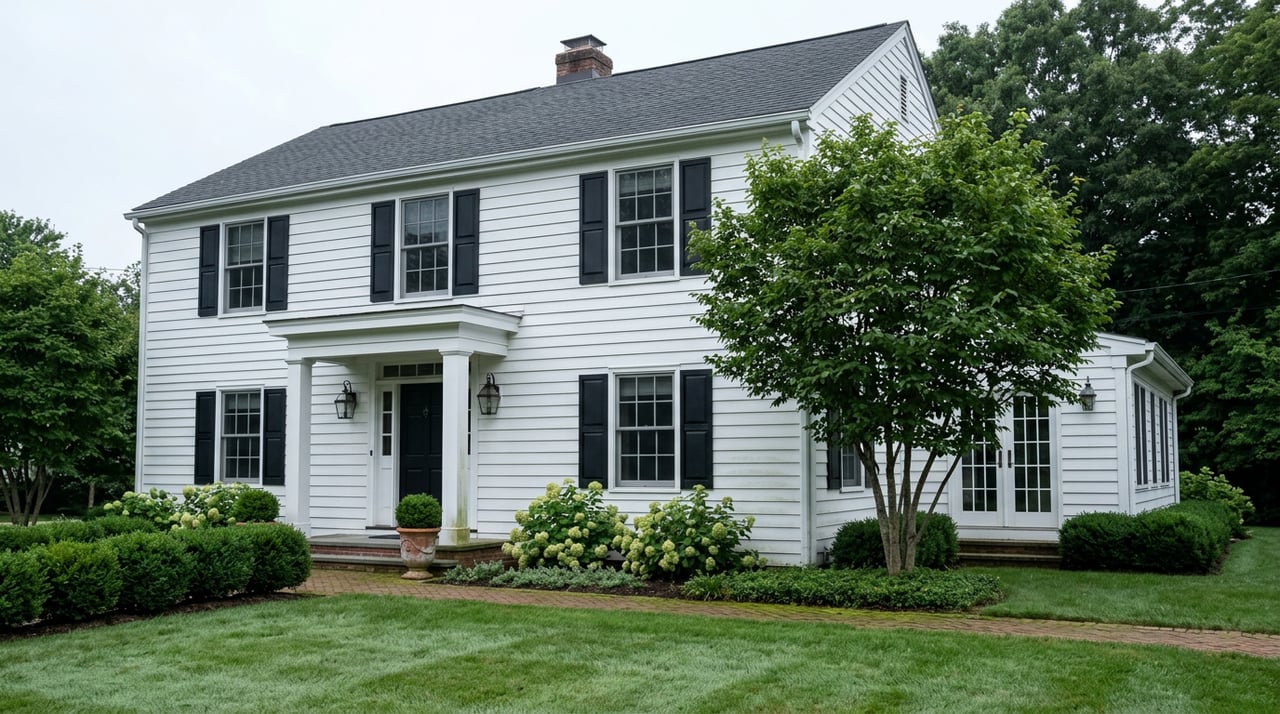
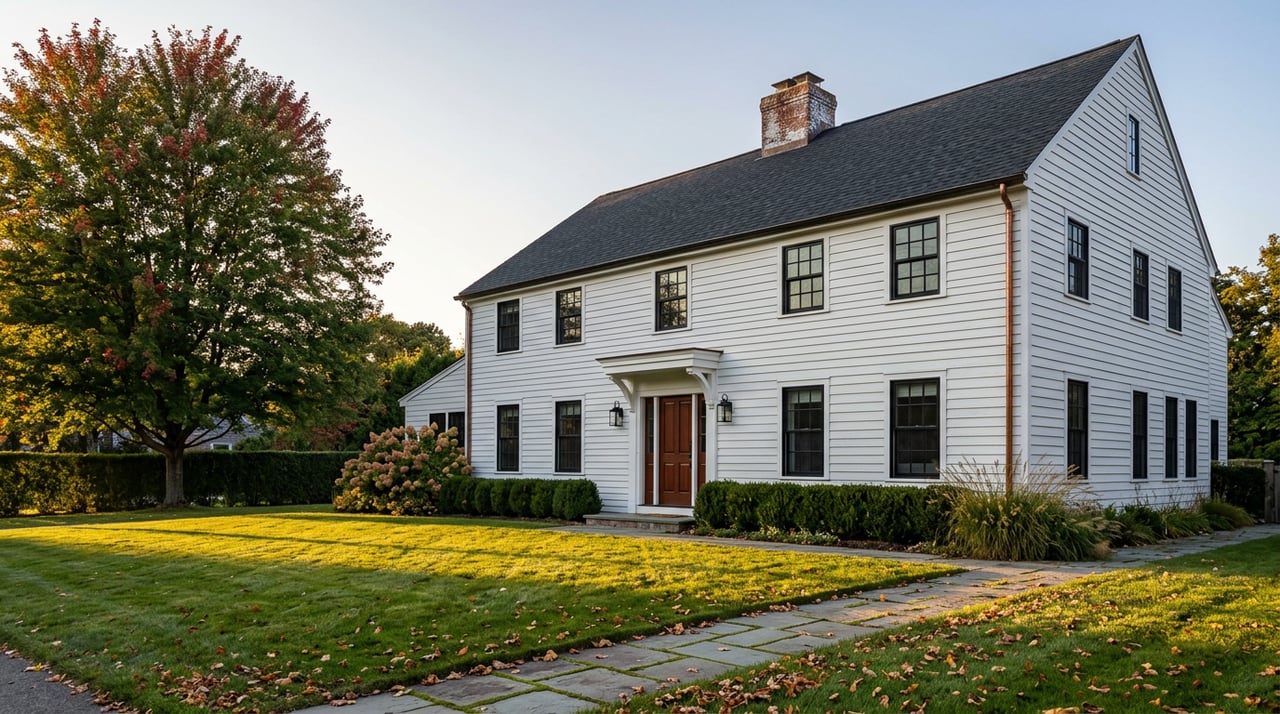
One of the biggest appeals of Haddonfield is architectural variety. The borough’s catalog of structures and ordinance materials reference styles ranging from Simple Colonial and Georgian Colonial to Federal Colonial, Classic Revival, Victorian, Victorian Gothic, Georgian Revival, and 20th Century homes.
In practical terms, that means you may find colonial-era homes, 19th-century Victorians, and early-20th-century revival properties in the same historic setting. If you are shopping here, it helps to know that each style may come with different materials, maintenance needs, and preservation expectations.
Before you fall in love with paint colors or renovation ideas, make sure you understand the local approval process. Haddonfield’s historic preservation ordinance generally requires a certificate of appropriiateness for exterior work in the historic district or on a designated landmark.
That review can apply to exterior alterations, additions, new construction, signs, fences, lighting, paving, walkways, site plans, subdivisions, and zoning variances. COA forms are available through the Construction Official or the borough website, and applications are routed to the Historic Preservation Commission for review.
Not every project needs the same level of review. The ordinance says maintenance and repair of existing windows and doors using the same material may be exempt, and compatible storm windows may also be exempt.
That said, it is wise to confirm requirements before starting work. The borough’s design guidelines are reference material rather than law, but they are based on the Secretary of the Interior’s Standards for Rehabilitation and are meant to help owners apply the ordinance in real-world situations.
If you are buying a historic home in Haddonfield, your research should go beyond a standard property search. The borough code requires sellers of historic-district or landmark properties to provide a preprinted disclosure about exterior alterations and construction standards, though this does not apply to buildings constructed after 1978.
Before closing, it is smart to verify whether the property is inside the historic district or is a separately designated landmark. You should also review permit history, COA approvals, and any seller disclosure materials tied to the property.
Useful sources include the borough ordinance, Historic Preservation Commission materials on the borough website, and the New Jersey Historic Preservation Office. The state office offers community assistance, technical assistance, and review-request processing.
This step can save you time, money, and frustration later. It also helps you understand whether past exterior changes were approved and what future projects may require.
Historic homes often reward careful owners, but deferred maintenance can become expensive. One of the biggest risks is water intrusion.
The National Park Service notes in its guidance on cleaning and preserving masonry that leaks often come from failing roofs, clogged gutters and downspouts, missing mortar, and cracks around doors and windows. Haddonfield’s guidelines recommend inspecting roofs, flashing, gutters, and downspouts twice a year.
Masonry repair should be conservative and matched to the original material. The National Park Service explains in its repointing guidance that improper repointing can damage masonry instead of protecting it.
Haddonfield’s design guidelines advise matching mortar strength, composition, color, texture, width, and profile. The same guidance warns against sandblasting, high-pressure waterblasting, high-Portland-cement mortar, synthetic caulk, or covering masonry with siding.
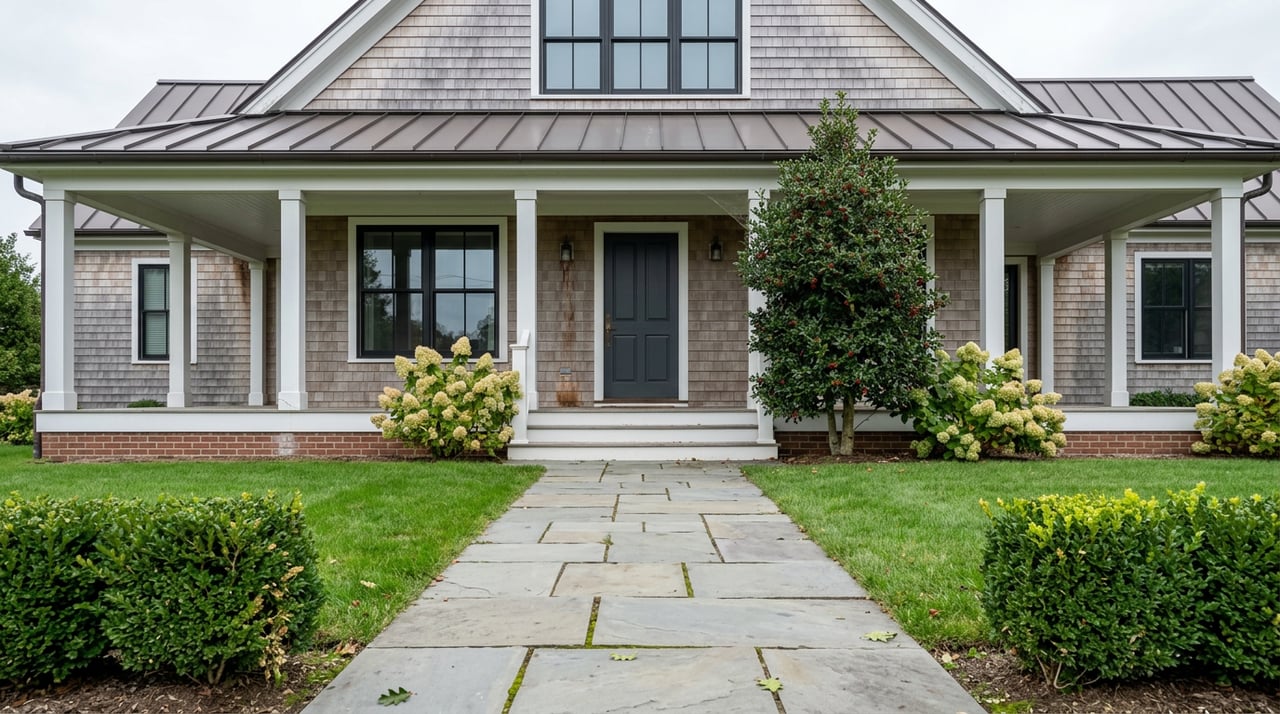
Windows, porches, and exterior wood details often define a historic home’s look. Haddonfield’s guidelines favor repair over replacement, encourage retaining the original window configuration, and support weatherstripping or storm windows to improve thermal performance.
If replacement becomes necessary, the borough prefers wood windows and may ask for a detailed professional condition report. The guidelines also caution against removing or enclosing porches in ways that erase the home’s historic character.
Many buyers want updated systems, better comfort, and improved efficiency. Those goals are possible, but they need to be handled carefully in a historic setting.
Haddonfield’s guidelines state that mechanical or service equipment should not damage or obscure character-defining features or remain visible from the public right of way. That means HVAC components, utility equipment, and other exterior-visible elements may need thoughtful placement and design.
If the home is older, environmental hazards may be part of the renovation conversation. The EPA explains that the older the home, the more likely it is to contain lead-based paint, and any work that disturbs paint in pre-1978 homes should be completed by lead-safe certified contractors.
The EPA also advises professional sampling or repair and removal when asbestos-containing materials are damaged or likely to be disturbed. If you are planning work, these checks should be part of your early due diligence.
Owning a historic home in Haddonfield can offer something hard to replicate in new construction. You get original materials, architectural detail, and a setting shaped by decades of preservation.
The borough’s preservation framework is designed to protect that cohesiveness, and the National Park Service also frames preservation as a sustainability strategy because the greenest building is often the one that is already built. For many buyers, that mix of character and continuity is a major advantage.
The tradeoff is that exterior changes are more regulated, repairs may require specialized trades, and some projects can take longer because of planning and documentation. In short, historic homes tend to work best for buyers who value authenticity and are comfortable with a more hands-on ownership experience.
If you are seriously considering a historic home in Haddonfield, keep this checklist in mind:
A thoughtful approach upfront can help you protect both your investment and the home’s long-term integrity.
Buying a historic home in Haddonfield can be incredibly rewarding if you go in with clear expectations. The charm is real, but so are the rules, maintenance needs, and planning requirements that come with preserving an older property.
When you understand the district, inspect carefully, and plan renovations the right way, you can enjoy a home that offers lasting character and a strong sense of place. If you are weighing your options in Haddonfield or want tailored guidance on buying or selling in South Jersey, connect with Patty Smith for polished, high-touch advice every step of the way.
Stay up to date on the latest real estate trends.